



Description
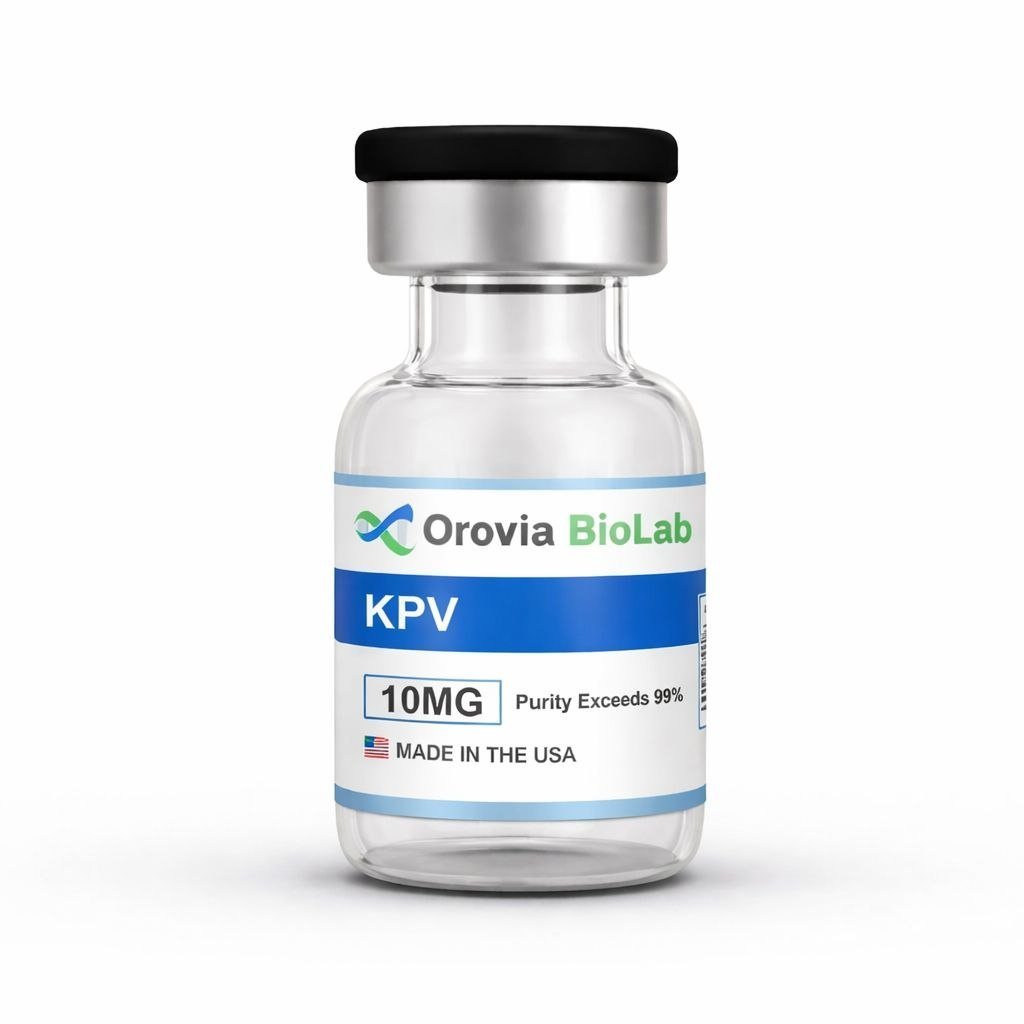
KPV 10MG
KPV (Lysine-Proline-Valine) is a tripeptide derived from alpha-melanocyte-stimulating hormone (α-MSH), a natural hormone involved in regulating inflammation and immune responses. It’s researched for its anti-inflammatory, antimicrobial, and wound-healing properties, often studied in contexts like inflammatory bowel disease (IBD), gut health, psoriasis, and skin repair. KPV works by modulating cytokine production, reducing pro-inflammatory signals (e.g., TNF-α, IL-6), and promoting tissue regeneration without broad immunosuppression.
Note: KPV is not FDA-approved for human use. It’s primarily available as a research chemical or in compounded forms (e.g., via peptide clinics). Dosages like 10mg are common in research protocols but should only be used under medical supervision. Self-administration carries risks like injection-site reactions, unknown long-term effects, or interactions.
Common KPV 10MG Protocols (Research/Clinical Use)
KPV is typically administered orally, topically, or via injection. Here’s a breakdown based on published studies and anecdotal reports from sources like PubMed, peptide research forums, and compounding pharmacies:
| Administration Method | Typical 10mg Dose | Frequency | Use Case | Evidence/Notes |
|---|---|---|---|---|
| Oral (capsule) | 10mg once daily | 1x/day | Gut inflammation (e.g., IBD, leaky gut) | Studies (e.g., PMID: 31808155) show oral KPV reduces colitis in animal models by targeting gut mucosa. Bioavailability ~20-30%. |
| Subcutaneous (SC) Injection | 10mg (split if needed) | 1-2x/day | Systemic inflammation, autoimmune issues | Research indicates rapid absorption; effective for psoriasis/eczema in trials (e.g., reduces IL-17). Use sterile saline reconstitution. |
| Topical (cream/gel) | 10mg mixed in base | 1-2x/day | Skin wounds, acne, eczema | Accelerates healing in wound models (PMID: 24995893); anti-microbial against Staph. |
| Intravenous (IV) | 10mg infusion | 1x/day | Acute inflammation | Less common; hospital/research settings only. |
- Reconstitution (for injectables): 10mg vial + 2-3mL bacteriostatic water = ~3-5mg/mL. Draw 2mL for 10mg dose.
- Duration: 4-12 weeks in studies, with cycling (e.g., 5 days on/2 off) to avoid tolerance.
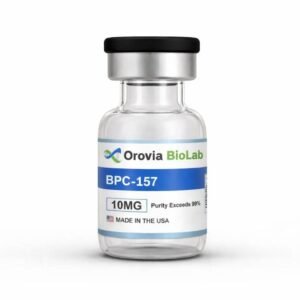
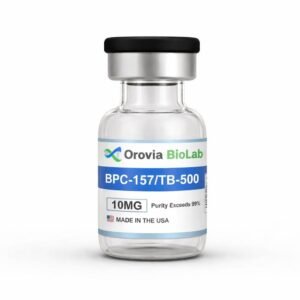
- Stacking: Often combined with BPC-157 (gut repair) or TB-500 (healing).
Benefits (Supported by Research)
- Anti-Inflammatory: Inhibits NF-κB pathway; effective in IBD models (e.g., 50-70% reduction in inflammation scores).
- Gut Health: Repairs intestinal barrier; animal studies show ulcer healing in days.
- Skin/Wound Healing: Promotes collagen, fights infection; human trials for atopic dermatitis.
- Other: Potential for eye inflammation, allergies, or post-surgical recovery.
| Study Highlights | Key Findings |
|---|---|
| Gut (2019, J Pharmacol Exp Ther) | Oral KPV healed DSS-induced colitis in mice. |
| Skin (2014, FASEB J) | Reduced psoriasis-like symptoms via MC1R receptor. |
| Antimicrobial (2020) | Kills MRSA at low concentrations. |
Side Effects & Risks
- Common: Mild nausea, headache, flushing (dose-dependent).
- Rare: Allergic reactions, fatigue.
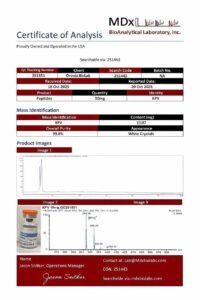
- Warnings: Not for pregnant/nursing; monitor liver/kidney function. Contaminated sources risk infection. Purity varies (aim for >98% via HPLC-tested vendors).
Sourcing & Legality
- Buy from: Research suppliers like Peptide Sciences, Limitless Life, or compounding pharmacies (US: requires Rx in some states).
- Cost: $50-100 per 10mg vial.
- Legal: Research chemical (not scheduled); gray area for personal use—check local laws.
Consult a doctor before use. This is for informational purposes only, based on peer-reviewed studies (PubMed, Google Scholar) and clinical data. If you have a specific condition or protocol in mind, provide more details for tailored info!
Reviews
There are no reviews yet.