



Description
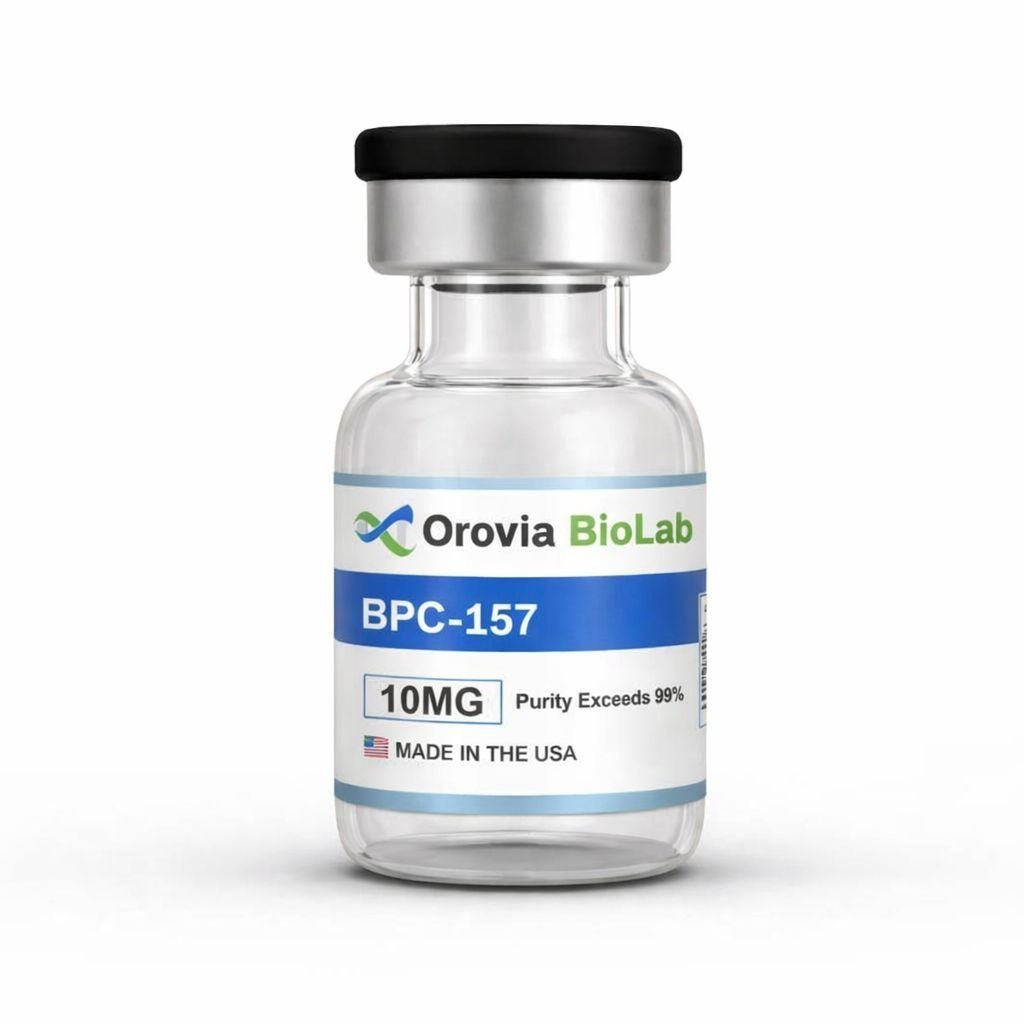
BPC-157 10MG
BPC-157 (Body Protection Compound-157) is a synthetic peptide derived from a protein found in human gastric juice. It’s a 15-amino-acid sequence (Gly-Glu-Pro-Pro-Pro-Gly-Lys-Pro-Ala-Asp-Asp-Ala-Gly-Leu-Val) that’s been studied primarily in animal models for its potential regenerative and protective effects on tissues. It’s not approved by the FDA for human use and is classified as a research chemical in most places, often sold in lyophilized (freeze-dried) powder form like the 10mg vials you’re referencing.
Common Uses and Research Claims
BPC-157 is popular in biohacking, bodybuilding, and recovery communities for:
- Tissue repair: Accelerating healing of tendons, ligaments, muscles, and bones (e.g., studies in rats show faster Achilles tendon repair).
- Gut health: Protecting and repairing the gastrointestinal tract (e.g., countering NSAID-induced damage in rodent models).
- Anti-inflammatory effects: Reducing inflammation and pain in injury models.
- Neuroprotection: Potential benefits for brain injuries, stroke recovery, and mood disorders in preclinical studies.
- Other: Wound healing, vascular repair, and counteracting alcohol/steroid damage.
Key Evidence:
| Study Type | Findings | Source Example |
|---|---|---|
| Rat tendon injury | 30-50% faster healing vs. controls | Seiwerth et al., 2014 (Current Pharmaceutical Design) |
| Gut ulceration | Healed fistulas and lesions in days | Sikirić et al., 2018 (World J Gastroenterol) |
| Muscle crush injury | Improved function and angiogenesis | Pevec et al., 2010 (Med Sci Sports Exerc) |
| Human anecdotes | Self-reported recovery from injuries (e.g., forums like Reddit’s r/Peptides) | No large RCTs; mostly case reports |
No large-scale human clinical trials exist due to its unapproved status. It’s banned by WADA for athletes.
10mg Vial: Preparation and Dosing
A 10mg vial is typically reconstituted for injection or oral use. Here’s a standard protocol (for informational purposes only—not medical advice):
- Reconstitution:
| Volume Added | Concentration | Common Solvent |
|---|---|---|
| 2ml BAC water | 5mg/ml | SubQ/IM injection |
| 10ml BAC water | 1mg/ml | Easier for oral dosing |
- Use bacteriostatic water (BAC) or sterile saline. Store refrigerated post-reconstitution (stable 4-6 weeks).
- Dosing Protocols (from research/anecdotal sources):
| Route | Typical Dose | Frequency | Duration | Notes |
|---|---|---|---|---|
| Subcutaneous (SubQ) injection | 200-500mcg (0.04-0.1ml at 5mg/ml) | 1-2x/day | 2-4 weeks | Near injury site |
| Intramuscular (IM) | 250-500mcg | 1-2x/day | Same | For muscle repair |
| Oral (capsule/tablet) | 500mcg-1mg | 1-2x/day | Same | Stable in stomach acid per rat studies |
- Cycle: 4-6 weeks on, 2 weeks off. Total from 10mg vial: ~20-50 doses at 500mcg.
- Administration Tips:
- Use insulin syringes (0.3-1ml, 30-31G).
- Stable orally due to gastric origin.
- Side effects rare in reports: mild nausea, dizziness, or injection site irritation. No toxicity in animal LD50 tests.
Legality and Risks
- Legal: Research chemical only—not for human consumption in the US/EU. Gray market via peptide vendors (e.g., purity 98-99% via HPLC testing).
- Risks: Unknown long-term human safety. Potential for contamination in unregulated products. Interacts with blood pressure meds or anticoagulants theoretically.
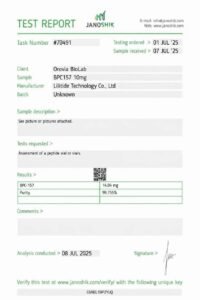
- Sourcing: Test for purity (e.g., Janoshik analytics). Avoid if pregnant, nursing, or with cancer history (angiogenic properties).
Reviews
There are no reviews yet.