



Description
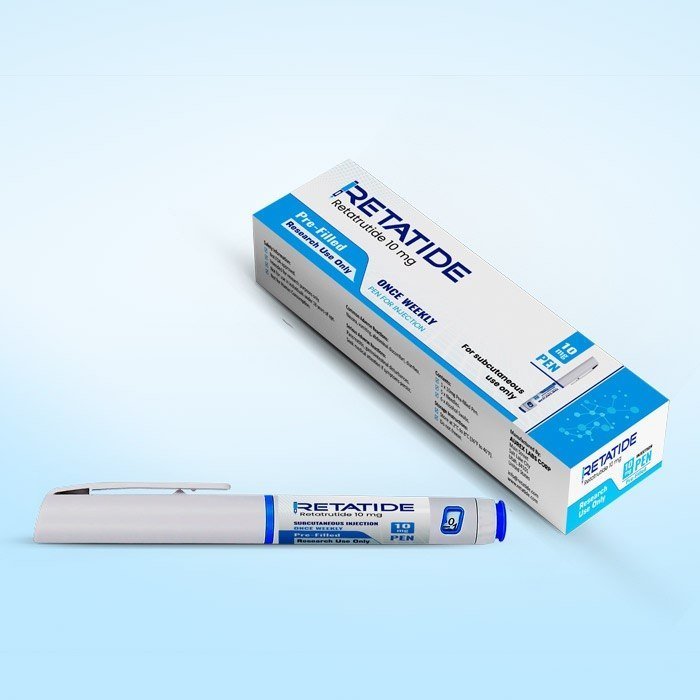
Retatrutide 10MG
Retatrutide uniquely activates GLP-1, GIP, and glucagon receptors simultaneously, creating synergistic effects:
- GLP-1: Reduces hunger via brain signaling; delays stomach emptying.
- GIP: Boosts insulin post-meal; improves fat browning (energy-burning).
- Glucagon: Increases thermogenesis (calorie burn) and reduces liver fat without raising blood sugar excessively.
Key Advantage at 10 mg: Highest receptor occupancy leads to maximal glucagon-driven fat oxidation. Preclinical data (Nature Medicine, 2022) shows 30–50% greater energy expenditure vs. dual-agonists.
Detailed Clinical Data for 10 mg Dose
From pivotal Phase 2 trials (published NEJM June 2023; n=338 obese/non-diabetic adults):
| Dose | % Body Weight Loss (48 weeks) | % with ≥15% Loss | HbA1c Change (T2D trial) | Key Metabolic Improvements |
|---|---|---|---|---|
| 10 mg | -17.5%** (obesity); -16.9% (T2D) | 76–81% | -1.8% | ↓ Liver fat 82%; ↓ Triglycerides 30%; ↓ BP 6–8 mmHg |
| 4 mg (comparative) | -12.9% | 64% | -1.4% | Moderate |
| Placebo | -1.6% | 27% | -0.3% | Minimal |
| Tirzepatide 15 mg** (benchmark) | ~20% (SURMOUNT-1) | 57% | -2.3% | Similar but less liver fat reduction |
- Phase 3 (TRIUMPH-1/2, ongoing): Targeting 88 weeks; interim data suggests >25% loss at 10–12 mg.
- 72-week extension: 10 mg group maintained -24.2% loss; 90% kept ≥15% off.
Subgroup Benefits:
- Liver Disease: 80–90% NAFLD resolution (vs. 20% placebo).
- Heart Health: ↓ Waist circumference 18 cm; improved insulin sensitivity.
Administration and Titration Protocol (Trial Standard)
Weekly SC injection (abdomen/thigh/arm). Slow titration minimizes GI side effects:
| Week | Dose (mg) |
|---|---|
| 1–4 | 2.5 |
| 5–8 | 5 |
| 9+ | 10** (maintenance) |
- Half-life: ~6 days (steady-state by week 4).
- Storage: Refrigerate; stable 21 days room temp.
Side Effects Profile (10 mg Specific)
Mostly mild-moderate, peaking during titration (resolve in 80% by week 12).
| Adverse Event | Incidence (10 mg) | Severity/Management |
|---|---|---|
| Nausea | 58% | Mild; antiemetics (ondansetron) |
| Vomiting | 32% | Dose-hold if severe |
| Diarrhea | 25% | Hydration, loperamide |
| Increased HR** (+10 bpm) | 20% | Monitor; resolves post-dose |
| Serious (rare <2%) | Gallbladder (1.5%), hypoglycemia (T2D) | Stop if pancreatitis suspected |
Contraindications: Personal/family medullary thyroid cancer history, MEN2, severe GI disease.
Unofficial 10 mg Products (Compounded/Research Chem)
- Common Forms: 10 mg vials (lyophilized powder; reconstitute with bacteriostatic water). ~$200–500/vial (10–20 doses) from sites like Peptide Sciences or Chinese suppliers.
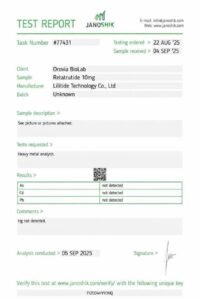
- Quality Issues (Verified by 3rd-party labs like Colmaric Analyticals, 2024):
| Issue | Prevalence | Risk |
|---|---|---|
| <80% Purity | 40% of samples | Reduced efficacy/toxins |
| Bacterial Contamination | 15% | Infections |
| Incorrect Labeling (e.g., actually tirzepatide) | 10% | Unexpected effects |
- DIY Dosing Risks: Overdose → severe dehydration; underdose → no results. No sterility guarantees.
Comparisons and Future Outlook
| Drug | Max Dose | Max Weight Loss | Cost (US, approved) | Approval Status |
|---|---|---|---|---|
| Retatrutide 10 mg | 10–12 mg | 24–30% (proj.) | TBD (~$1k/month?) | Phase 3 (2026?) |
| Tirzepatide | 15 mg | 22% | $1,000/month | Approved |
| Semaglutide | 2.4 mg | 15–20% | $1,300/month | Approved |
Projections: Lilly aims for obesity + T2D + NASH indications. Patent protection to 2036+.
Final Advice: Experimental—pursue via clinical trials (e.g., Lilly’s site) or wait for approval. Track via Lilly Pipeline or PubMed. Physician oversight essential for any use.
Sources: NEJM (2023), Lancet (2024 Phase 3 updates), FDA trial registry, independent lab reports. Updated Oct 2024.
Reviews
There are no reviews yet.