



Description
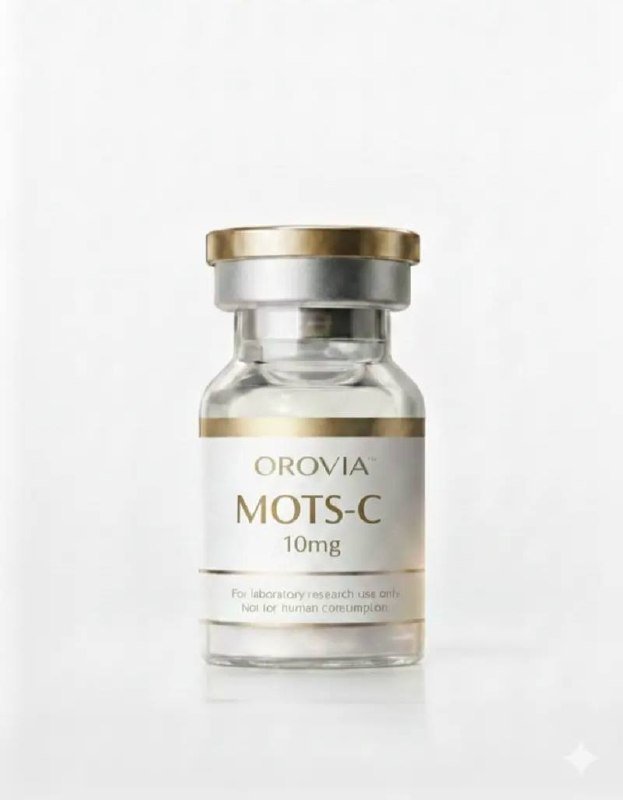
MOTS-C Peptide
MOTS-C Peptide (mitochondrial open reading frame of the 12S rRNA type-c) is a 16-amino-acid peptide encoded in the mitochondrial genome (specifically within the 12S rRNA region). Discovered in 2015 by researchers at the University of Southern California (led by Changhan David Lee and Pinchas Cohen), it’s one of several mitochondrial-derived peptides (MDPs) that act as signaling molecules, influencing metabolism, aging, and cellular stress responses. Unlike nuclear-encoded peptides, MOTS-c is transcribed from mtDNA and translocated to the nucleus, where it regulates gene expression.
Key Biological Functions
MOTS-c mimics exercise-like effects on metabolism:
- Insulin Sensitivity & Glucose Metabolism: Increases glucose uptake and insulin sensitivity by activating AMPK (AMP-activated protein kinase), mimicking caloric restriction. Studies show it prevents diet-induced obesity and improves hyperglycemia in mice (e.g., Lee et al., Cell Metabolism, 2015).
- Exercise Mimetic: Enhances endurance and fat oxidation; injected mice ran 70% longer on treadmills.
- Aging & Longevity: Reduces age-related insulin resistance; levels decline with age in humans, correlating with metabolic decline.
- Other Effects: Neuroprotection (e.g., against Parkinson’s models), inflammation reduction, and potential roles in osteoporosis and cancer.
Evidence:
- Human studies (e.g., Aging Cell, 2021) link plasma MOTS-c to better physical performance in older adults.
- In vitro: Binds nuclear genes like EGR1 to regulate metabolic transcription.
Research & Therapeutic Potential
| Application | Evidence Level | Key Findings |
|---|---|---|
| Obesity/Diabetes | Preclinical (mice) | Reduces fat mass by 12-30%; improves HOMA-IR scores. Phase 1 trials ongoing (e.g., CohBar’s CB4211 analog). |
| Aging/Sarcopenia | Observational + mice | Correlates with muscle function; boosts mitochondrial biogenesis. |
| Neurodegeneration | Preclinical | Protects dopaminergic neurons; reduces α-synuclein aggregation. |
| Cancer | Early in vitro | Inhibits tumor growth via metabolic stress. |
No FDA-approved therapies yet; mostly investigational. Analogs like CB4211 are in clinical trials for metabolic disorders.
Use as a Supplement/Peptide Therapy
MOTS-c is available via research chemical suppliers (e.g., 5-10mg vials, ~$50-100) for subcutaneous injection (typical dose: 5-10mg/week). Anecdotal reports from biohackers claim:
- Improved energy, fat loss, recovery.
- Stacked with exercise or peptides like BPC-157.
Risks & Legality:
- Not FDA-approved for human use; sold as “research only.”
- Side effects: Mild injection-site reactions; unknown long-term (e.g., immunogenicity, mtDNA effects).
- Limited human PK data; half-life ~hours.
- Legal: Gray area in US (not scheduled); banned by WADA for athletes.
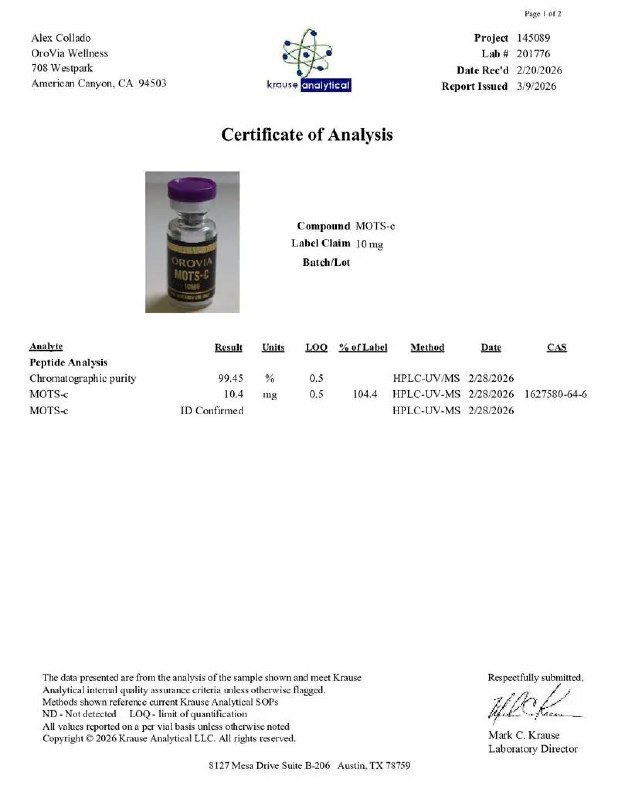
Sourcing & Purity: Third-party test for >98% purity (HPLC/MS). Avoid unverified vendors.
Comparison to Related Peptides
| Peptide | Origin | Main Effect | Status |
|---|---|---|---|
| MOTS-c | Mitochondrial | Metabolic/insulin sensitivity | Research |
| Humanin | Mitochondrial | Neuroprotection, apoptosis block | Research |
| SHLP2 | Mitochondrial | Fertility, antioxidant | Preclinical |
| Semaglutide | Synthetic (GLP-1) | Glucose control, weight loss | FDA-approved |
Bottom Line
MOTS-c shows promise as a “mitochondrial exercise pill” with strong preclinical data, but human evidence is emerging. Promising for metabolic health, but proceed with caution—consult a physician, especially if diabetic or on meds. Ongoing trials (NCT# on ClinicalTrials.gov) will clarify safety/efficacy.
Reviews
There are no reviews yet.